Technology is Facilitating Hospital Management
February 23, 2021
 0 Comments
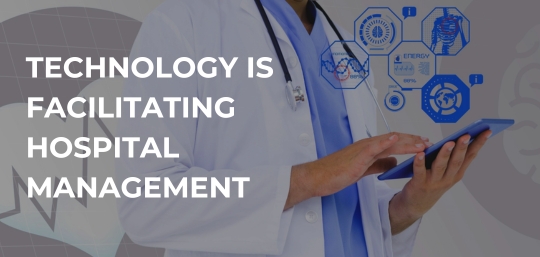
The healthcare sector in India is one of the largest in the world. It is also one of the largest sectors to provide revenue and employment to a population of over 1.3 Billion people. The hospital industry specifically, currently stands at a massive $4Trillion (as of 2017) and is expected to hit a CAGR of 16-17 percent till 2023. While the healthcare sector in the country is fragmented, the privatization of hospitals has led to a revolution in hospital management due to an influx IT and data technologies.

India is on the road to providing a completely “paperless” hospital experience with the adoption of Hospital Management Systems (HIS). Designed to manage medical, administrative, pathology, report generation and financial information, it enables the medical staff to process patient records effectively and efficiently. With the protection and supervised flow of information across various departments, hospitals can now focus on the integration of all clinical, financial and administrative applications under one roof. With the insurance industry aiding the development of these systems, it has significantly reduced outpatient visit. Patients can now be processed for their final billing in less than 24 hours, from the earlier-20-30 day billing period.
The increased use of Patient ID cards with barcodes is a prime example of this revolution. Patient data can be captured electronically between the HIS and coding system, eliminating redundancy and the need for paper processing between departments. Devices such as smartphones, tablets and wearables are also serving as primary point of contact for patient information in hospitals.
Every year, the healthcare sector becomes more dependent and invested in technology. An uptick in the use of mobile diagnostic devices has been witnessed, which can do everything from tracking lab specimens to updating patient information and even communicate with the hospital’s pharmacy for the providence of medication. This allows staff and caregivers to access information and provides care remotely.